Vijayadasami admissions for 2026-27 are open for Pre-KG to Class 5. Book a visit
98842 61592 Book a visit

Kudos Indian Montessori Shikshalaya

Our philosophy

The 10 Superpowers of Learning

The simple habits that help a child thrive in a fast-changing world, and love learning along the way.

The world is changing fast. These ten will last.

No one knows which jobs will exist when today's children grow up. Machines keep getting better at what we once taught for tests.

What lasts is a child who can think, adapt and keep learning. That is exactly what these ten superpowers build.

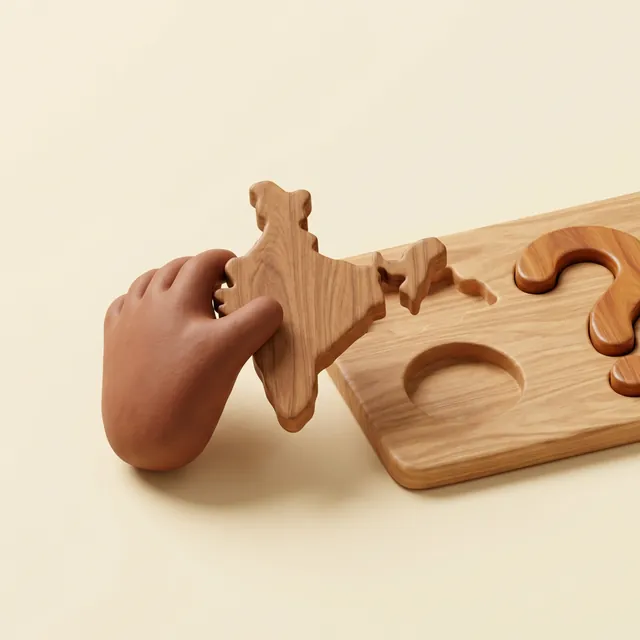
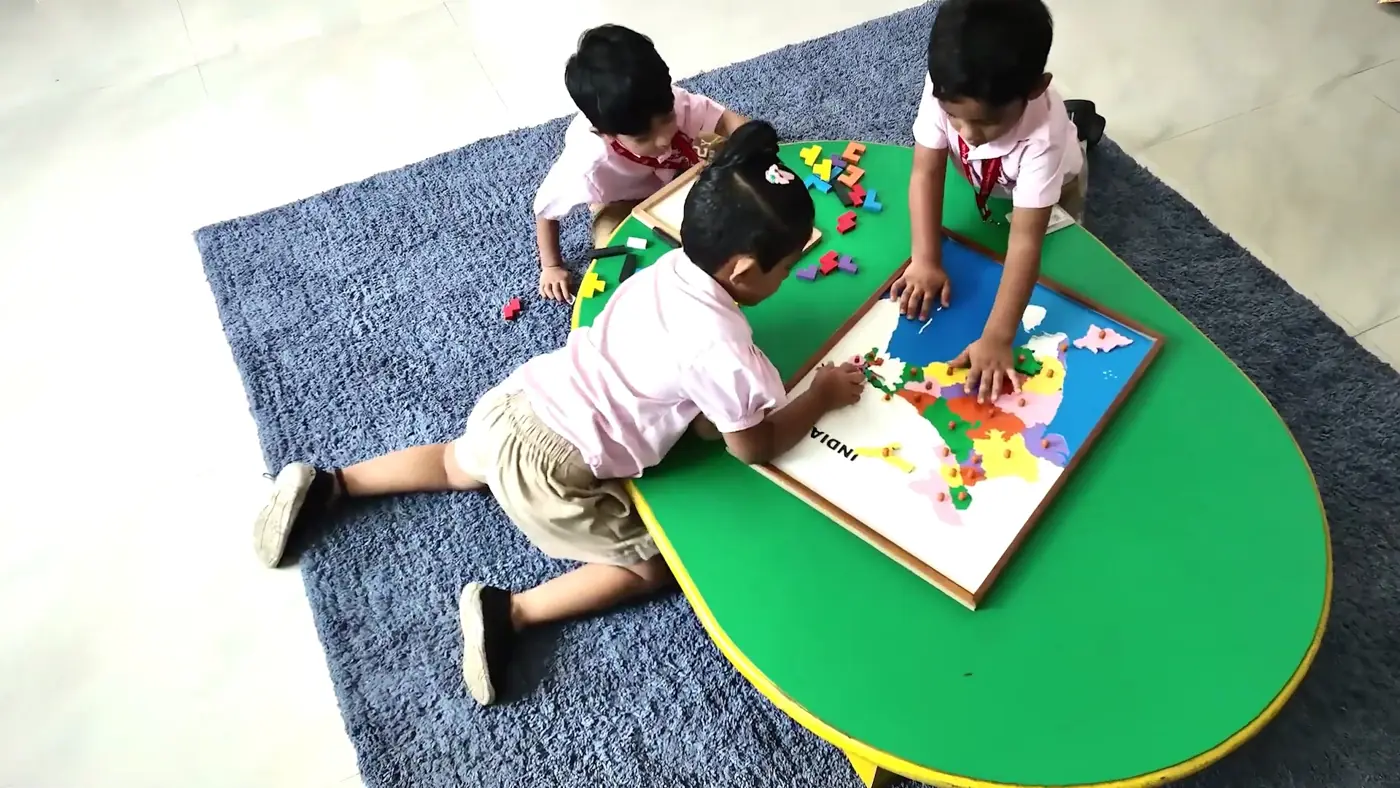
KIMS children working on a Montessori map puzzle, seen from above

Every big leap has replaced one part of us

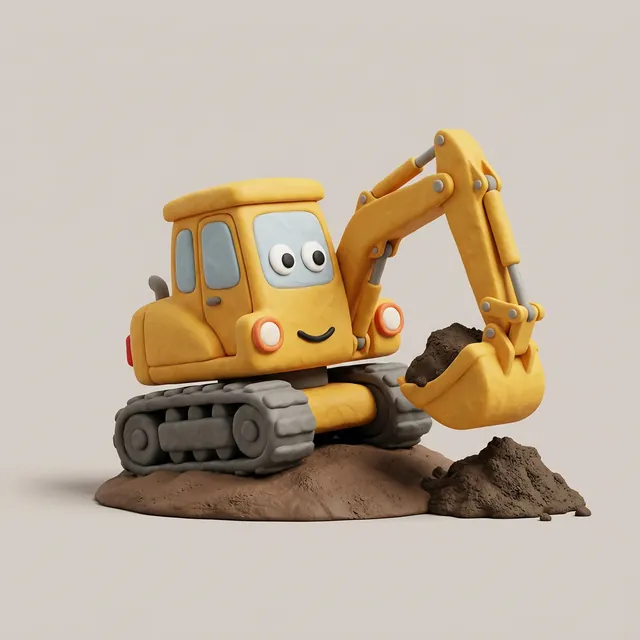
  1. MachinesReplaced our muscles ๐Ÿ’ช

    A single JCB shifts more earth in an hour than a hundred workers with spades.

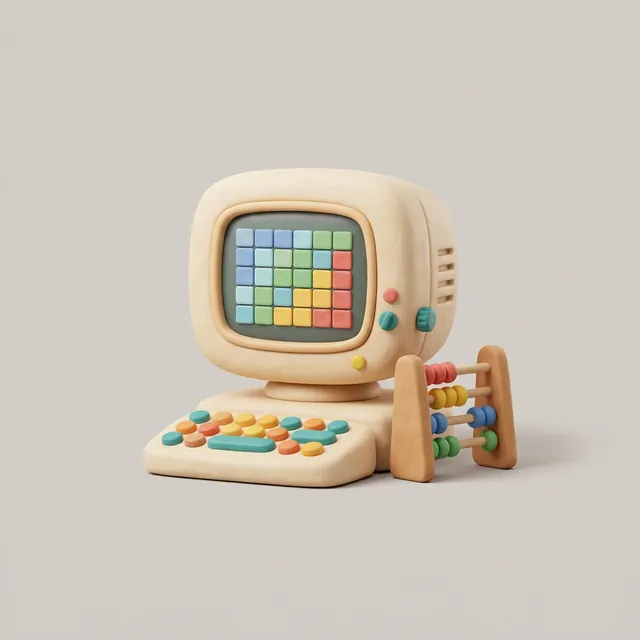
  2. ComputersReplaced our sums ๐Ÿงฎ

    One spreadsheet now does the counting that once filled a room with clerks.

  3. The internetReplaced our reach ๐Ÿ“š

    Any fact or person is a tap away: no trip to the library, nothing to memorise.

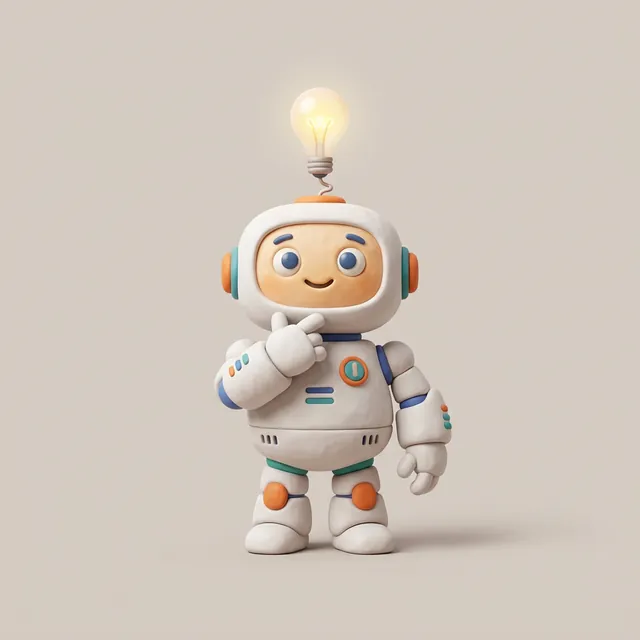
  4. AI ยท nowMakes thinking cheap ๐Ÿง 

    It can answer, write and reason, and it roughly doubles in ability every 6 to 12 months.

And every single time, no one could guess the new jobs.

The 1900s factory worker never pictured a website designer. The 1980s typist never pictured an app maker.

So we've stopped trying to predict your child's job, and started preparing your child for any of them.

Most of us use only a few. The future needs all ten.

Each superpower can be taught, and the best time to start is now. We wrap them in fun names and stories so children want to build them.

Most grown-ups today1 to 3superpowers we lean on
A KIMS childAll 10grown together, from Pre-⁠KG

All ten

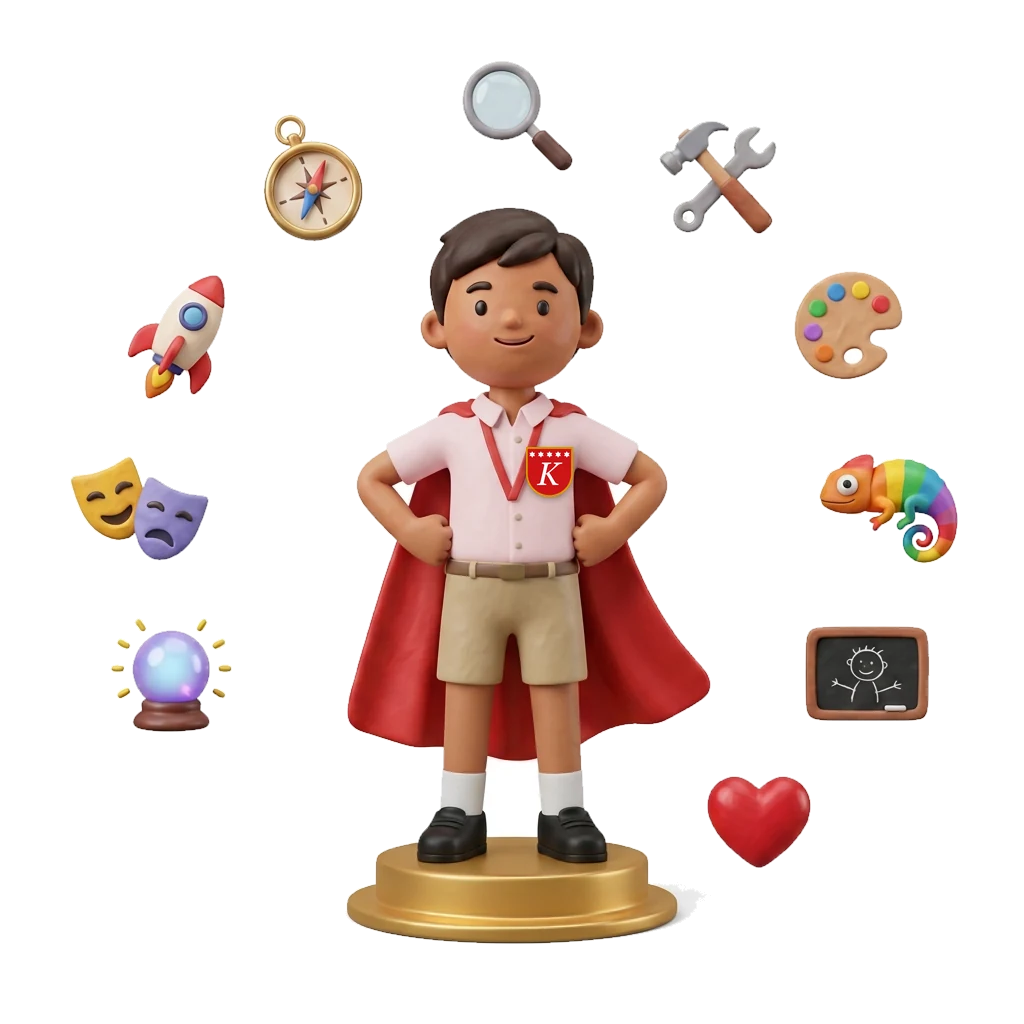
Ten superpowers, one confident learner

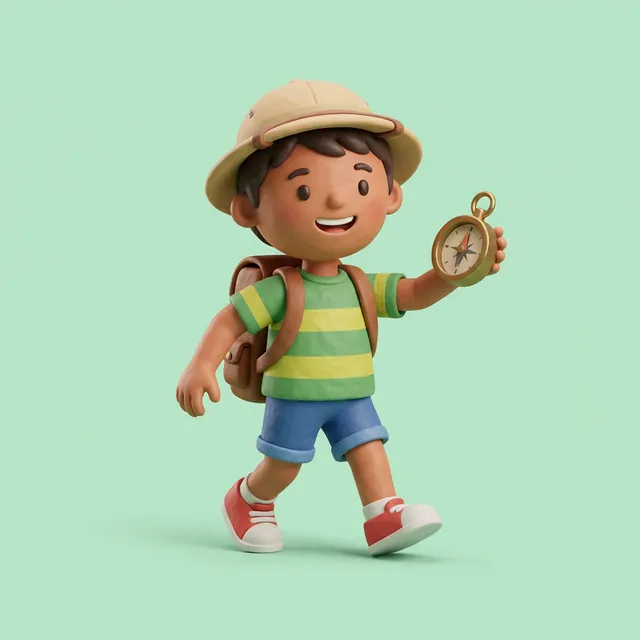
The Explorer

Try lots of things first

A strong start comes from a wide mix of experiences: read widely, play new games, and ask plenty of questions.

In class: We celebrate children who try new things, even when they aren't the best at them yet.

Say it to the childrenYour brain is a treasure map! Explore the whole island before you dig for the gold.
The Detective

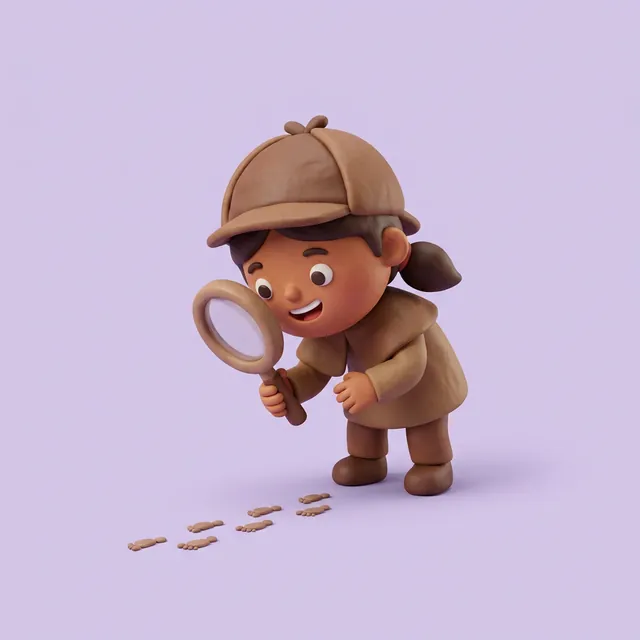
Look for clues and ask why

Don't just guess. Break a problem into small steps and think about why an answer is true.

In class: Children explain how they reached an answer, and practise arguing the other side too.

Say it to the childrenBe a detective! Find the clues, think step by step, and always ask, "Why is this true?"
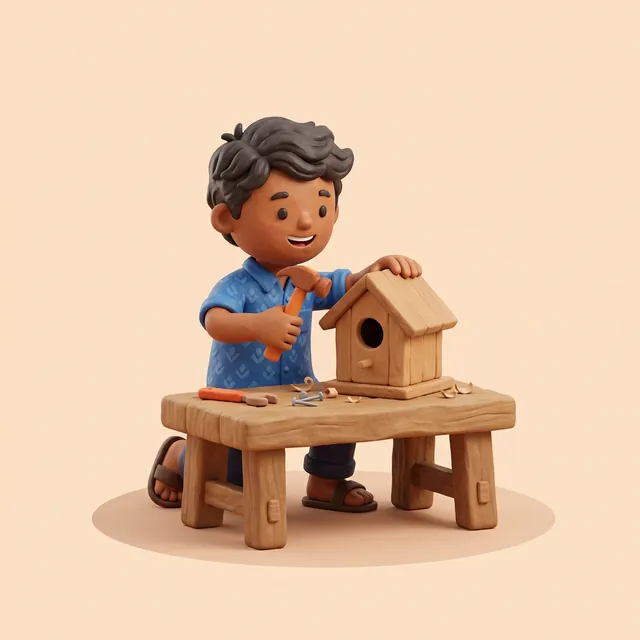
The Builder

Use the right tools

Clever people work things out; effective people know which tool makes the job easier.

In class: Pencils, rulers, dictionaries and tablets aren't cheating. They help our brains do more.

Say it to the childrenA master builder doesn't hammer with bare hands. Pick the right tool and your work gets stronger.
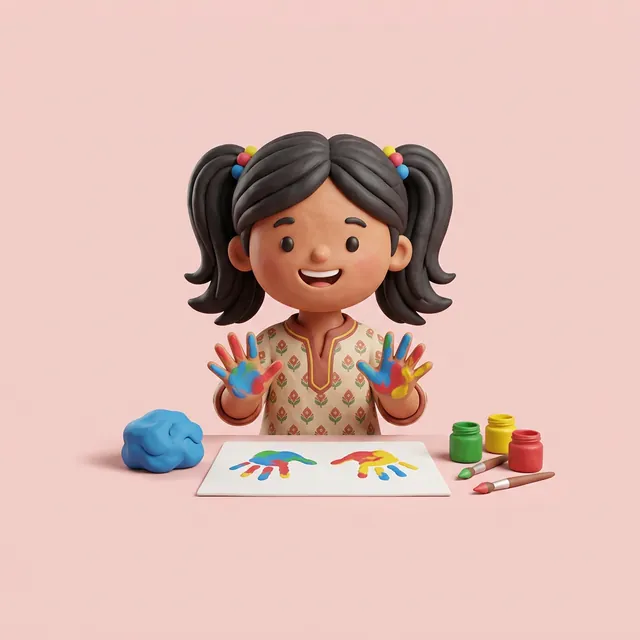
The Maker

Learn with all your senses

We learn best using hands, eyes, ears and voice, not just reading and writing.

In class: Children act out events, build models, draw pictures, and present what they've learned.

Say it to the childrenDon't just read about the rainforest: draw it, build it, and give a little talk about it!
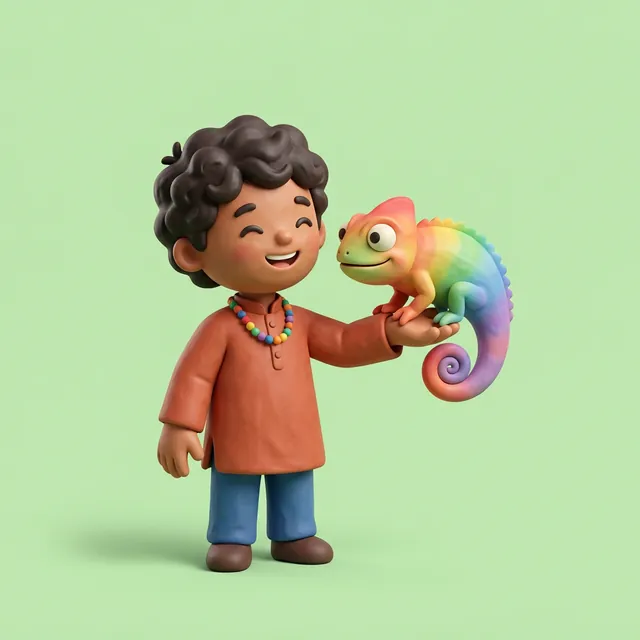
The Chameleon

Fit into new places fast

Step into a new game, class or subject and quickly work out the rules from a few examples.

In class: We mix up groups and activities so children learn to spot patterns and adapt.

Say it to the childrenBe like a chameleon! In a new place, watch closely, spot the patterns, and blend right in.
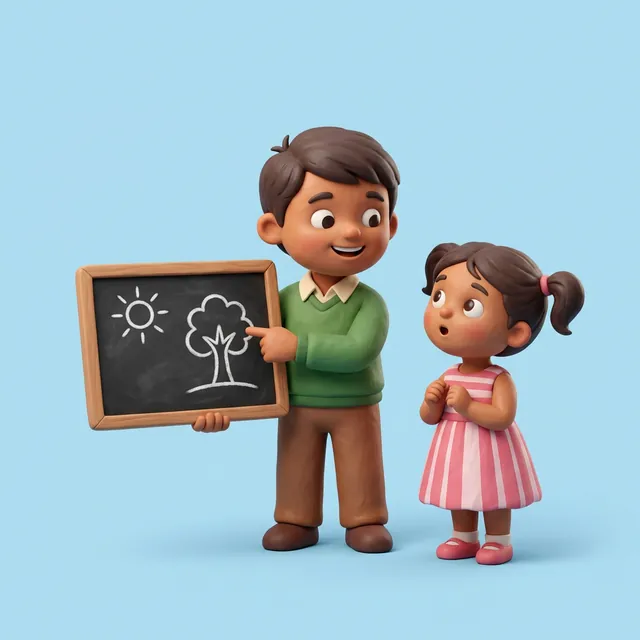
The Teacher

Teach it to learn it

You truly understand something when you can explain it simply to someone else.

In class: Children who master an idea teach it to a friend in just a few simple sentences.

Say it to the childrenYou don't really know a secret until you can whisper it clearly to a friend.
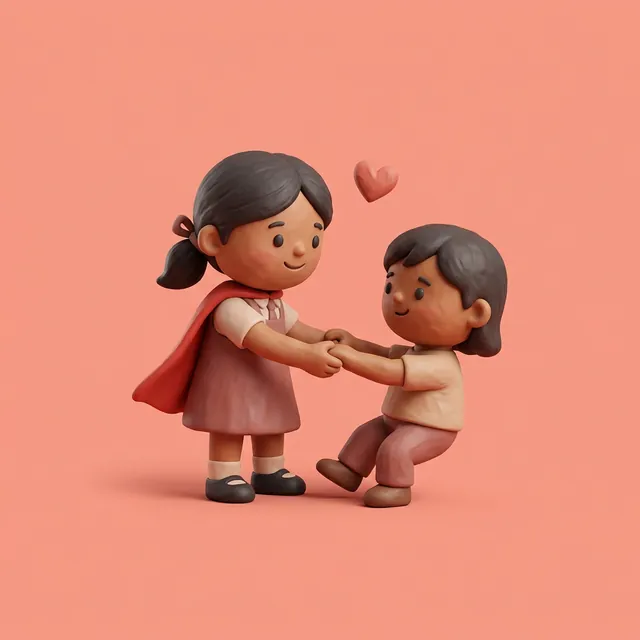
The Superhero

Lead with a good heart

A clever brain needs a kind heart: values that guide our choices when things get hard.

In class: Children write their own class rules, like "I choose kindness even when I'm frustrated."

Say it to the childrenA smart brain is great, but a good heart is your real superpower.
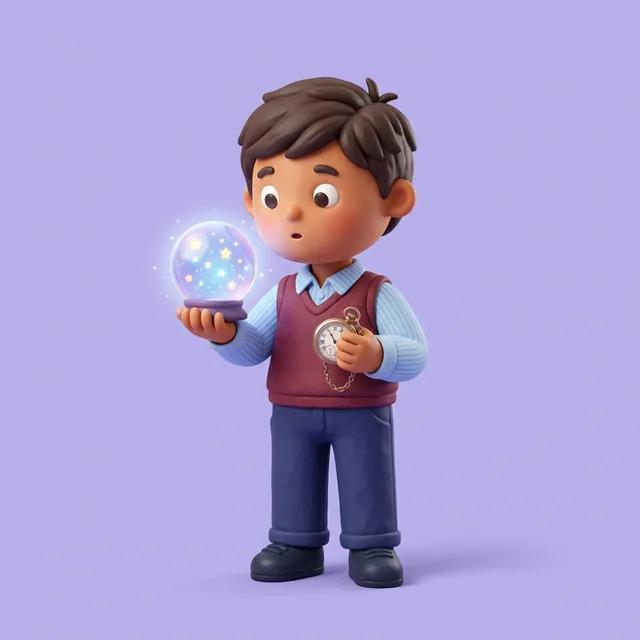
The Time Traveler

Think ahead

Picture what might happen next, so you can make a smart choice today.

In class: We play "What if?", pausing a story to ask what happens if a character chooses differently.

Say it to the childrenTime-travel to tomorrow! What happens if you skip today's practice? Choose wisely now.
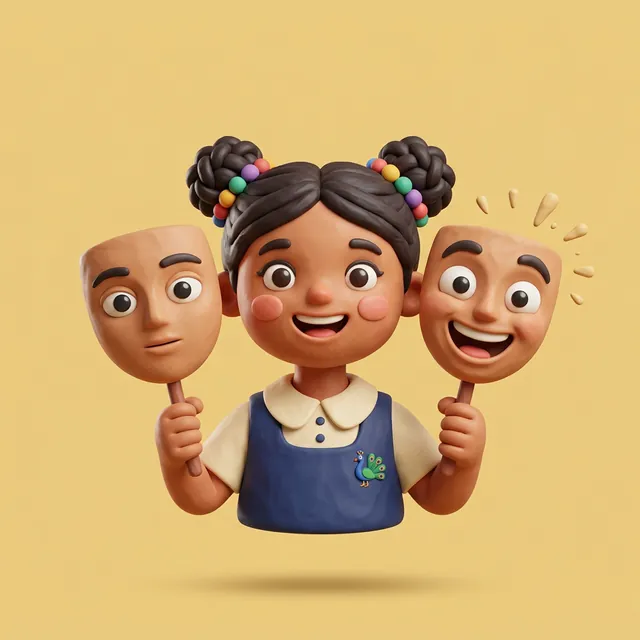
The Shapeshifter

Bring the right mode

Different moments need different energy: quiet focus for reading, big ideas for brainstorming.

In class: We name the mode: "Scientist hats, quiet and watchful" or "Brainstorm hats, every idea welcome!"

Say it to the childrenYou have many experts in your head. Tag in the Quiet Reader or the Curious Scientist for the job!

The Upgrader

Keep growing

It's good to update old ideas and change your mind. That's your brain getting better.

In class: We treat mistakes as updates, and clap when someone says, "I used to think that. Now I know better."

Say it to the childrenYour brain is like an app: it needs updates to stay quick and smart. Upgrading is a win!
A Montessori classroom is built for superpowers

  • Hands-on materials

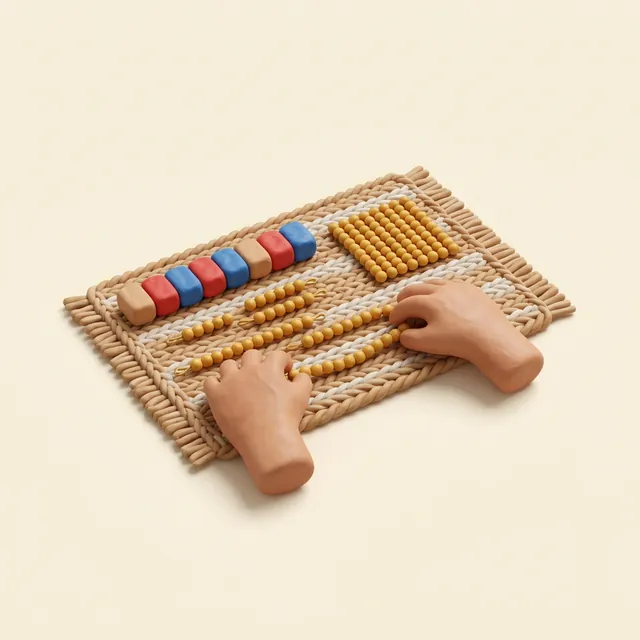
    Bead chains, movable letters and puzzle maps. Every idea is touched before it is written.

    Maker
  • Mixed-age early years

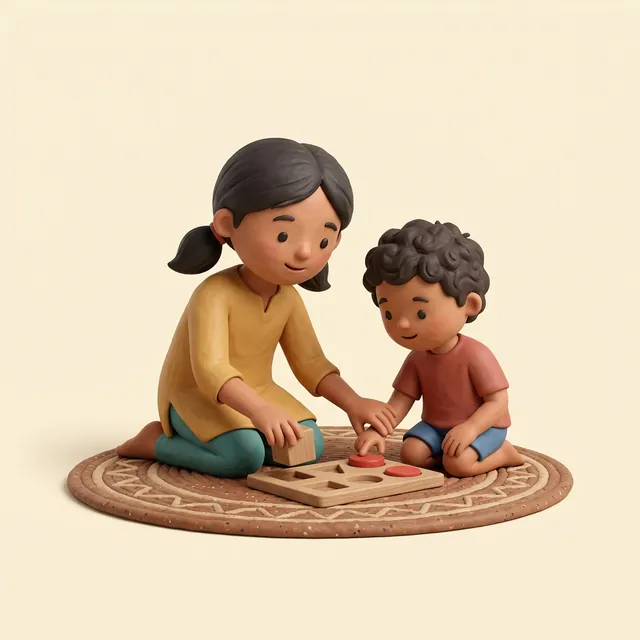
    Older children show younger ones how a material works, and learn it twice as well.

    TeacherChameleon
  • Free choice of work

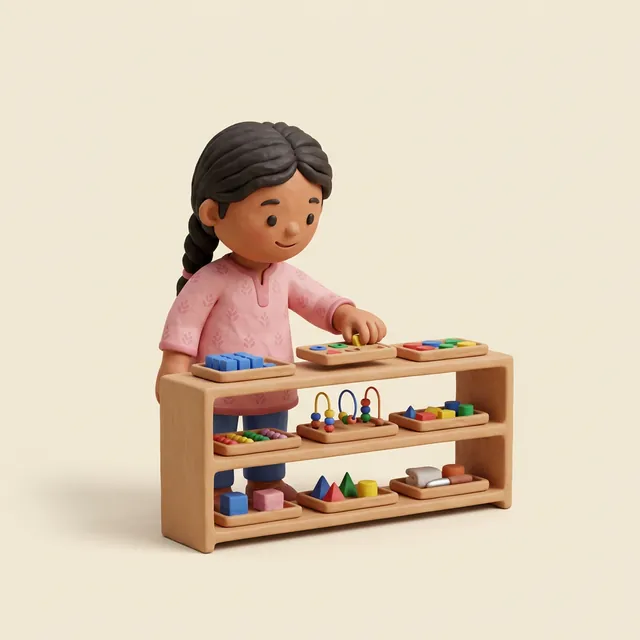
    Children pick their next activity from open shelves and follow their curiosity.

    ExplorerShapeshifter
  • Materials that show mistakes

    A piece that doesn't fit tells the child to look again, so they correct themselves.

    DetectiveUpgrader
  • Grace and courtesy

    Waiting a turn, helping a friend, tidying up for the next child.

    Superhero
  • Real tools, used well

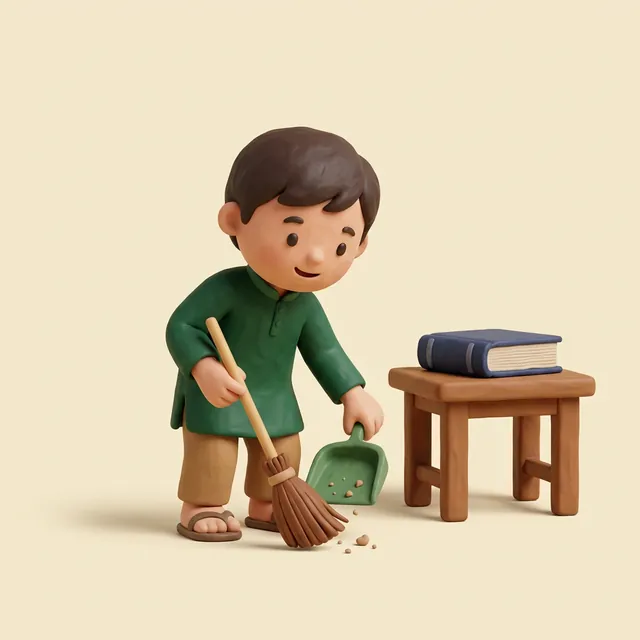
    From child-sized brooms to dictionaries and computers in the primary years.

    BuilderTime Traveler

Dr Sindu Sukumaran

D.Litt ยท Principal & Correspondent, KIMS

Founder & Chairman, The VEDIC Educational and Charitable Trust

The mind behind the superpowers

The 10 Superpowers of Learning is the educational philosophy of Dr Sindu Sukumaran, D.Litt, Principal and Correspondent of KIMS. It is the purpose behind KIMS and the style in which every class is taught.

It works hand in hand with the Montessori method and with India's National Education Policy 2020, which calls for play- and activity-based learning in the early years.

And above all, happiness. A happy child is the surest sign that all their developmental needs are being met.

  • English, เฎคเฎฎเฎฟเฎดเฏ, เคนเคฟเคจเฅเคฆเฅ€
  • Every festival, every faith
  • Happiness first

Don't worry about which job. Build the ten superpowers.

You don't need to guess your child's future career. Give them these ten superpowers and they'll be ready for whatever the world becomes, able to turn their hand to almost anything.